Don’t Need Church_

Been struggling lately.  Getting my kids and sometimes myself to church has become more difficult.  My youngest son asked “Why do we have to go when we can watch online?  I can learn about God right where I’m at.”. So, I ended the title here “Don’t Need Church_” with an underscore; for you what punctuation goes there? 

I know some that would place an exclamation‼️ point or two there; they want nothing to do with church and God in general.  I know other’s it would be a question❓mark.  Maybe they are wondering and want to know if they should start going.  Maybe they are going and wonder why they should continue.  I know other’s the punctuation would be a period  and it’s not that they don’t need worship or teaching but they feel the church has become so corrupt that they can do it better or find better on their own.

Before anything, shouldn’t our question be, “What does the Bible say about gathering with other Christians?” Well, it says in Matthew 18:20 “For where two or three are gathered in my name, there am I among them.” We meet with others because God chooses to be more present where more than one person is located with others. But isn’t God everywhere you might ask? Why, yes, yes He is. The question is not one of location but of awareness and focus. In school a teacher may have said “Mikey, be present with the rest of us”. Mikey may be there and somewhat aware of what is going on but not focused or focused on other things. God has promised that where we gather “in His name” with others “in His name” He will definitely be there with a greater focus and awareness.

(Heb 10:24-25 NKJV) 24 And let us consider one another in order to stir up love and good works, 25 not forsaking the assembling of ourselves together, as [is] the manner of some, but exhorting [one another], and so much the more as you see the Day approaching.

Paul under the direction of the Holy Spirit tells us not to “forsake the assembly of ourselves”. The word assembly there is episynagōgē which is formed in part from the words that make up synagog referring to the place Jews would gather on the sabbath to hear the words of scripture read and be explained. The root words epi one place and synago to collect or gather together the whole in one place. It is a command to not stop meeting together but to gather together in one place. It is more than just two or three but all the two or threes meeting through out the week in home groups into one place. How are we doing this if we are just watching online? But what benefit is there for getting together? The same passage tells us. We are supposed to “stir up” one another to “love and good works”. The word “stir up” is paroxysmos and it means to provoke, incite or irritate one another to good works. It says in (Pro 27:17 LSB) “17 Iron sharpens iron, So one man sharpens another.” You can hide behind a screen or on the other end of a phone or chat, but it is hard to hide forever when you are face to face. We need this face to face to challenge us to become more like Christ.
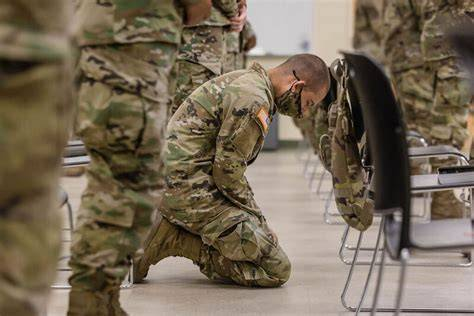
Well, we just go to church and run out the door after service. It is clear from the Bible that this is not what God intended. So then do we get closer to what God intended by watching from home, since we are going to run out of service anyway? My oldest son came home from the Army and his station in Fairbanks Alaska this year. He had started working with a Christian group EYD or Engage Your Destiny. It was Christian organization started to combat suicide with Faith. Growing up we would go to Sunday School and then Church. Now many churches no longer have Adult Sunday school, and you just go to service and run out. At EYD it doesn’t work that way. You have the service and then breakout into small groups right after to discuss worship and the teaching. Now that sounds like a shift in paradigm that might change things.
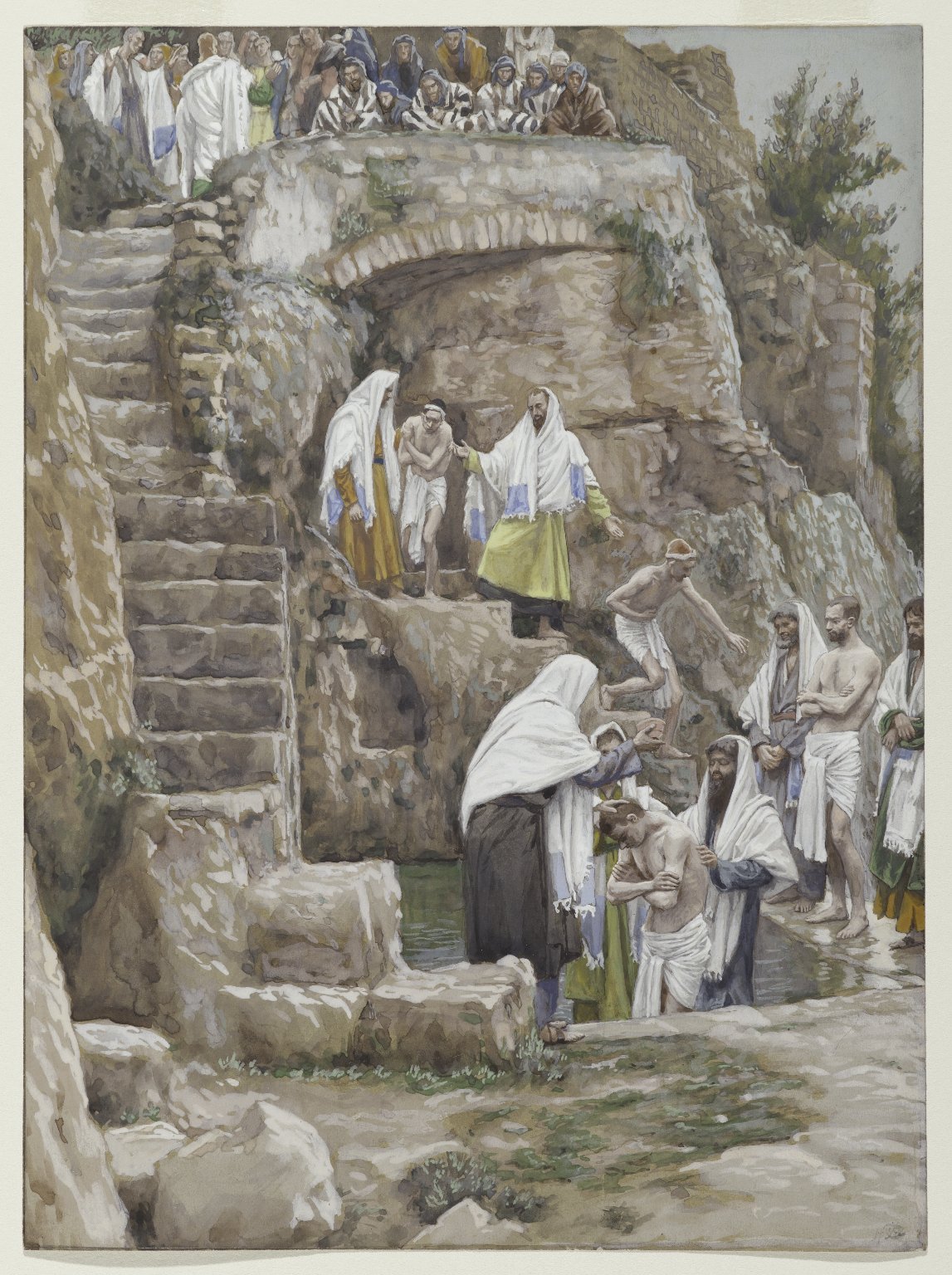
Baptism Now Saves You

It was 507 years ago that Martin Luther nailed his 95 Theses on the door of the Castle church in Wittenberg. Now we have about 41,000 denominations world wide and so many different views of what the Bible teaches. It was the day before the anniversary of the reformation and I went to a bible study that night. We were reading from 1 Corinthians and we read how the Corinthians were arguing about who they followed whether Paul or Apollos or Cephas. Paul said he was glad that he hadn’t baptized any of them lest they say they were baptized in Paul’s name. Paul said that while he was among them he choose to know nothing except Christ and Him crucified.

Read more of this post

Washed in the Word Part 5 – Method Overview

The Washed in the Word method of Bible Study is made up of three phases or degrees of study called R.INS.E, followed by Reflection and Response.  During each phase you will use methods of observation and interrogation of the Bible passages you are studying to progress to ever deeper levels of understanding. The R.INS.E acronym stands for Read, Inspect and Examine.

R.INS.E – Reflect – Respond Method of Bible Study Diagram

First you Read a book of the Bible chapter by chapter with the goal of grasping the big picture. This big picture should be captured in survey journal worksheets with lists of keywords and summaries for each chapter that then become the context for the next phase of study, Inspection. While you are reading and during inspection you will use colored pens to mark keywords, circumstances and God’s responses through which He reveals Himself to His people. The colors you use for marking should use consistent categories and symbols. The category color guide below is a suggestion of colors and their categories for your consideration. You can use these or come up with your own, or just start with these and then when you get a new journaling Bible you can always consider coming up with your own categories.

During inspection you ask deeper questions and look for other concepts and connecting words that show the relationships between statements. The questions you have and answers you find should be recorded in a journal called a Miscellanies (invented by Johnathan Edwards). A Miscellanies journal is designated with a letter code and then each entry with that code and a four digit sequence number and the bible reference being studied. The code and sequence number are then written in the bible margin of the passage being studied. This method allows you to write much more about a passage than you would be able to in the margins of any Bible.  A dotted journal even allows you to draw diagrams and pictures to help visualize what a passage is saying. 

The third phase or degree is Examination where you use concordances to look for what else the bible has to say on the topics and keywords realted to the passage you have inspected. After Inspection you should have used methods of interpretation and reached a level of understanding of the passage. During Examination you write down what you understand and compare it to the other similar passages found in cross reference resources using the cross reference worksheets to evaluate your understanding. 

After both Inspection and Examination you should spend time reflecting upon what you have observed and understood from the passage. Based on what your have understood and reflection on your own life you may find verses you should memorise or things you should do. You will capture the Bible verses to memorize and the things you need to do in verse and task kanbans. These give you a set of things to work on that will become your response to what God’s spirit has revealed in scripture that you should do.

23 Because if anyone is a hearer of the word and not a doer, he is like someone looking at his own face in a mirror. 24 For he looks at himself, goes away, and immediately forgets what kind of person he was. 25 But the one who looks intently into the perfect law of freedom and perseveres in it, and is not a forgetful hearer but a doer who works—this person will be blessed in what he does.

James 1:23-25

Come in His Name!

John 5:43-44
43 I have come in my Father’s name, and you do not receive me. If another comes in his own name, you will receive him. 44 How can you believe, when you receive glory from one another and do not seek the glory that comes from the only God?

Acts 4:12
And there is salvation in no one else, for there is no other name under heaven given among men by which we must be saved.”

The World may find it easier to accept another name or another identity or a partial identity, but Jesus still came from the Father in His Father’s name; the name His father had given him. Any other identity is not the same nor is it of any use for salvation.

Colossians 3:17
And whatever you do, in word or deed, do everything in the name of the Lord Jesus, giving thanks to God the Father through him.

If we are in Christ we are a new creation and we are commanded to speak and live in His Name. The name must be central, it must be pivotal, it must be foundational, it must be … all. If financial freedom, social activity, motivational methodologies, etc… are what is central so that we can gain the world’s interest then we run into a problem. “If you draw people by carnal means you will have to keep people by carnal means.” -Paul Washer.

WHY – why must Jesus name and Identity be so central?

John 12:28-32
28 Father, glorify your name.” Then a voice came from heaven: “I have glorified it, and I will glorify it again.” 29 The crowd that stood there and heard it said that it had thundered. Others said, “An angel has spoken to him.” 30 Jesus answered, “This voice has come for your sake, not mine. 31 Now is the judgment of this world; now will the ruler of this world be cast out. 32 And I, when I am lifted up from the earth, will draw all people to myself.”

Because it is Jesus name and its identity with what He accomplished on the cross that will draw people to Christ and bring them to salvation. When we exalt and lift up Christ the World will perceive the value and significance we place in Him. They will ask who is this and what is this about…

World : So what do you have to offer?

Christian: Jesus

World: What else you got?

Christian: Jesus

That’s It!
